

Service · Drone inspections
The roof seen from above, without climbing up.
With a drone we inspect roofs at close range while staying on the ground: we check the condition of the covering, flashings and chimneys, and map damage after bad weather. A quick, non-invasive check — no scaffolding, no dangerous climbs.
What we check
A complete tour of the roof, point by point, with close-up footage even where you can't get on foot.
Broken, slipped or missing tiles; the general condition of the covering and its lines.
Hail, high winds, fallen branches: a quick survey right after the event, when it needs documenting.
Gutters, downpipes, valleys and flashings: deformation, detachment and blockages.
The condition of chimneys, pots, vents and stacks, often the first to suffer over time.
Membranes and waterproofing, standing water and weak points on flat roofs.
Visual check of photovoltaic and solar panels: damaged, dirty or dislodged elements.
Eaves, cornices, tall façades and awkward volumes: where climbing isn't safe, the drone goes.
Why a drone
Safety
Nobody climbs onto the roof for a check: no scaffolding, harnesses or risk of falling for a site visit.
Speed
A whole roof inspected in a short time, with no set-up: fly, document, land.
Full access
Close-ups of slopes, ridges, cornices and chimneys that you would never see from the ground or a ladder.
Documentation
High-resolution photos and video that stay on record: useful for a targeted quote, a residents' meeting or an expert report.
The equipment
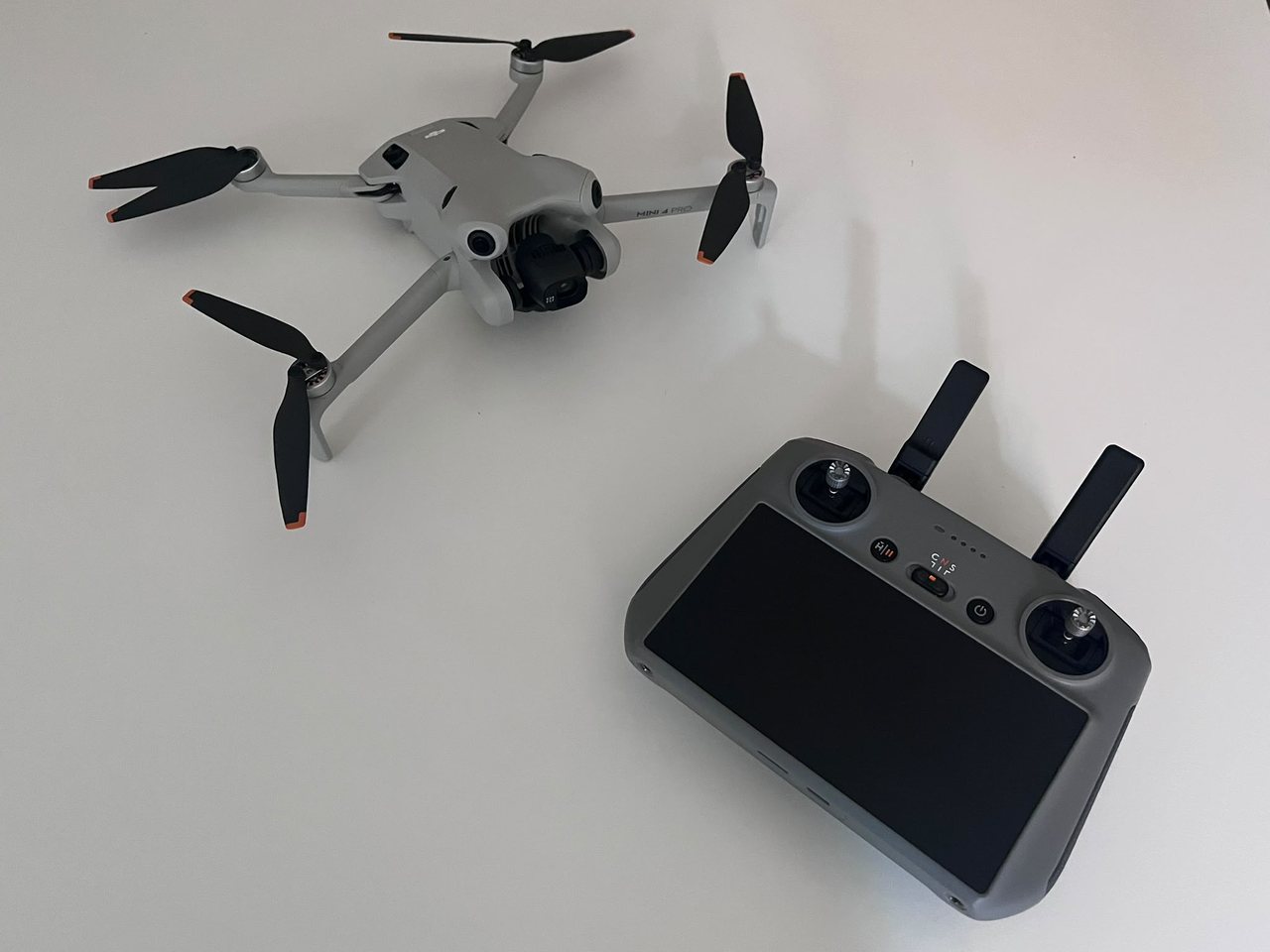
Light (under 250 g) and compact: agile close to buildings and between tight volumes.
Sharp detail, even at close range, on tiles, joints, flashings and chimneys.
Material ready for documentation and for comparison over time.
What we deliver
We don't stop at the images: we deliver a photo report with the critical points located on the roof and, where needed, guidance on the work to budget for — so you know what to look at before calling a contractor.
The drone shows what can be seen from outside. When the suspicion is water ingress or heat loss, the aerial inspection is completed by thermography: together they tell you where the problem is and, often, what lies behind it.
We plan each flight according to the site and the weather, operating in a non-invasive way. The footage remains a technical record of the condition of the property, to keep and reuse when needed.
Who it's for
Homeowners
After a hailstorm, before buying or renovating, or simply to know what state your roof is in.
Building managers
Checks on shared roofs with clear documentation to bring to the residents' meeting and keep on record.
Contractors and studios
Condition surveys and roof checks supporting quotes, works and inspections, as an external technical service.
Expert reports and claims
Documentation of storm damage to support insurance claims and technical assessments.